How to become a registered house manager?
Becoming a registered house manager is a career built on trust, structure, and consistency. It attracts people who enjoy bringing order to busy homes and supporting families through thoughtful systems. Many professionals enter this field from hospitality, administration, caregiving, or operations because the skills translate naturally. What separates casual help from a registered professional is clarity, accountability, and long-term intention.
This guide explains how to become a registered house manager step by step. It also shows how home cleaning & organizing services play an important role in the profession and why they support sustainable growth. I’ll walk through skills, registration, pricing, and visibility so you can build a credible and lasting career.
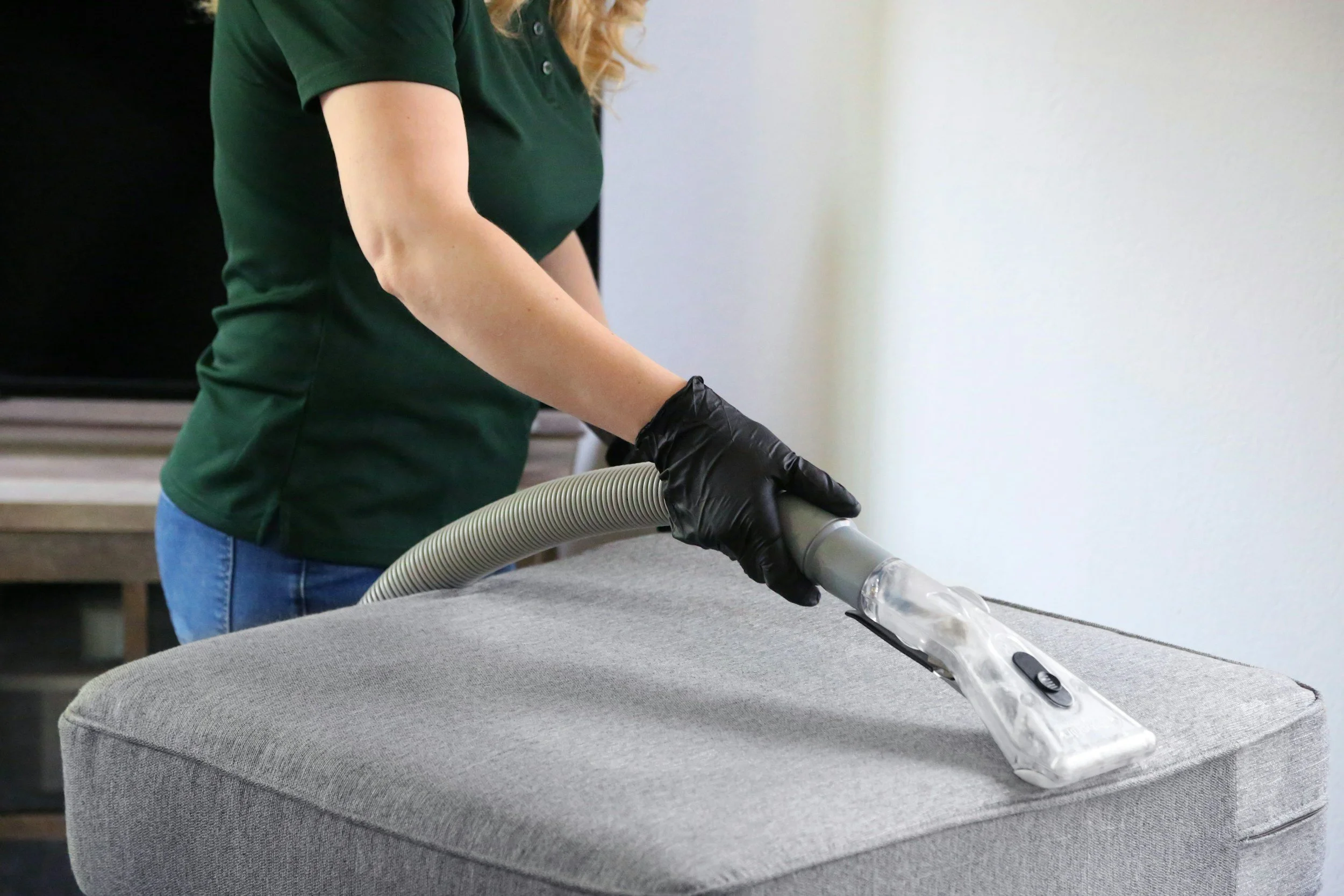
What A Registered House Manager Actually Does
A registered house manager oversees the daily operations of a private home. This includes organizing routines, coordinating schedules, supervising cleaning, managing vendors, and handling household logistics. The role is proactive rather than reactive. Instead of waiting for problems, a house manager creates systems that prevent disruption.
Many house managers either provide or coordinate personal home assistant services depending on client needs. Laundry systems, pantry organization, calendar management, and appointment coordination are common responsibilities. As trust grows, so does responsibility, which is why formal registration becomes important.
Why Registration Matters In This Field
Registration signals professionalism and reliability. It shows clients that you operate as a legitimate business rather than informal help. This distinction matters when clients are handing over access to their home, schedules, and personal routines. Registration builds confidence before the first conversation even begins.
Clients searching for a professional home manager often look for credibility indicators. Being registered allows you to use contracts, protect yourself legally, and price your services appropriately. It also positions you for long-term client relationships instead of short-term work.
Understanding The Role Of Home Cleaning & Organizing Services
Clean and organized spaces form the foundation of effective household management. Without them, even the best schedules fall apart. They create stability and reduce daily friction.
When you understand cleaning workflows and organization principles, you can design routines that last. Many professionals begin their careers focusing on these services before expanding into broader coordination. This progression builds confidence for both you and your clients.
How Personal Home Assistant Services Fit Into House Management
Personal home assistant services extend support beyond physical spaces. These services may include calendar management, appointment scheduling, errands, and personal coordination. They require discretion, strong communication, and excellent time management.
It increases your value and deepens client trust. Many households prefer one reliable person who understands both their home and their schedule. When combined with organization and cleaning oversight, this creates a complete support system.
Skills Needed To Become A Professional Home Manager
Organization is essential, but it’s only one part of the role. A successful house manager must communicate clearly, adapt quickly, and anticipate needs. Homes are dynamic environments, and flexibility is critical to maintaining balance.
Reliability and discretion matter just as much as technical skill. Clients trust you with private spaces and personal information. These qualities define a true professional home manager more than any title alone.
Education, Training, And Certifications
There is no single required degree for this profession. However, backgrounds in hospitality, administration, project management, or organization can be helpful. Some professionals pursue certifications related to home organization or household management to strengthen credibility.
Education supports confidence, but experience matters most. Clients value consistency, judgment, and results over formal credentials. Training simply helps you communicate your value more clearly.
How To Register Your House Management Business
Registration starts with choosing a business structure. Many house managers register as sole proprietors or limited liability companies. This separates personal and business finances and allows you to operate professionally. It also makes contracts and invoicing straightforward.
Next, research local requirements for service businesses. Licensing rules vary by location. Formal registration is not just paperwork; it’s the foundation of a sustainable career.
Insurance, Contracts, And Legal Basics
Insurance protects both you and your clients. General liability insurance is essential, and bonding may be required depending on responsibilities. Contracts clarify scope, payment terms, and expectations.
Professional house managers do not rely on verbal agreements. Written contracts prevent misunderstandings and reinforce trust. This step is critical for anyone aiming to work long term.
Pricing Your Services With Confidence
Pricing depends on scope, hours, and experience. Entry-level services are often hourly, while advanced roles move to monthly retainers. Transparency is key. Clients should understand exactly what they are paying for.
Bundling cleaning service with eco-friendly home services often makes pricing easier to justify. Clients see value in integrated support rather than fragmented tasks.
Gaining Experience Before Full Registration
Many professionals gain hands-on experience before formal registration. You might assist families, work with organizers, or manage small households. This phase helps you refine systems and understand real client needs.
Experience also reveals your strengths. Some managers focus on organization, while others excel at scheduling or vendor coordination. Knowing this shapes your service model.
Creating A Clear Service Structure
Clarity attracts the right clients. Define what you offer, how often, and at what level. Explain how cleaning, organizing, and personal support fit into your packages.
Clear structure reduces confusion and builds confidence. Clients feel more comfortable when expectations are defined early.

Marketing Yourself As A Registered House Manager
Professional presentation matters. A clean website, clear service descriptions, and consistent messaging help clients find you. Many people search online using phrases like home organization and homemanager near me, so your language should reflect that intent.
Registration strengthens visibility and trust. It reassures clients that you operate with intention and accountability.
Working With Clients And Setting Boundaries
Boundaries protect both you and your clients. Define working hours, response times, and emergency policies early. Registered professionals communicate expectations clearly and revisit them when needed.
Healthy boundaries prevent burnout and support consistent service quality. Professionalism includes sustainability.
Growing From House Manager To Trusted Advisor
Over time, many house managers become trusted advisors. Clients rely on them for planning, recommendations, and decision-making. This trust is earned through consistency and results.
As responsibilities deepen, roles may expand. Growth happens naturally when systems work and communication stays clear.
Common Mistakes To Avoid When Starting Out
Underpricing is a common mistake. It can undermine credibility and lead to burnout. Another issue is vague service descriptions, which create confusion.
Skipping registration or contracts also limits growth. Formal structure supports long-term success.
When Clients Look For A Professional Home Manager
Clients often seek support during life transitions. New jobs, growing families, relocations, or health changes create demand. They search for a professional home manager who can bring stability.
Being registered positions you as a reliable solution during these moments.
Conclusion — Building A Credible Career As A Registered House Manager
Becoming a registered house manager is about structure, trust, and intentional growth. When experience is paired with formal registration, the role becomes both flexible and respected.
By offering good services within a professional framework, you create real value while protecting your future. Registration is not the finish line—it is the foundation.